Best Basement Waterproofing Methods for Heavy Rain Areas

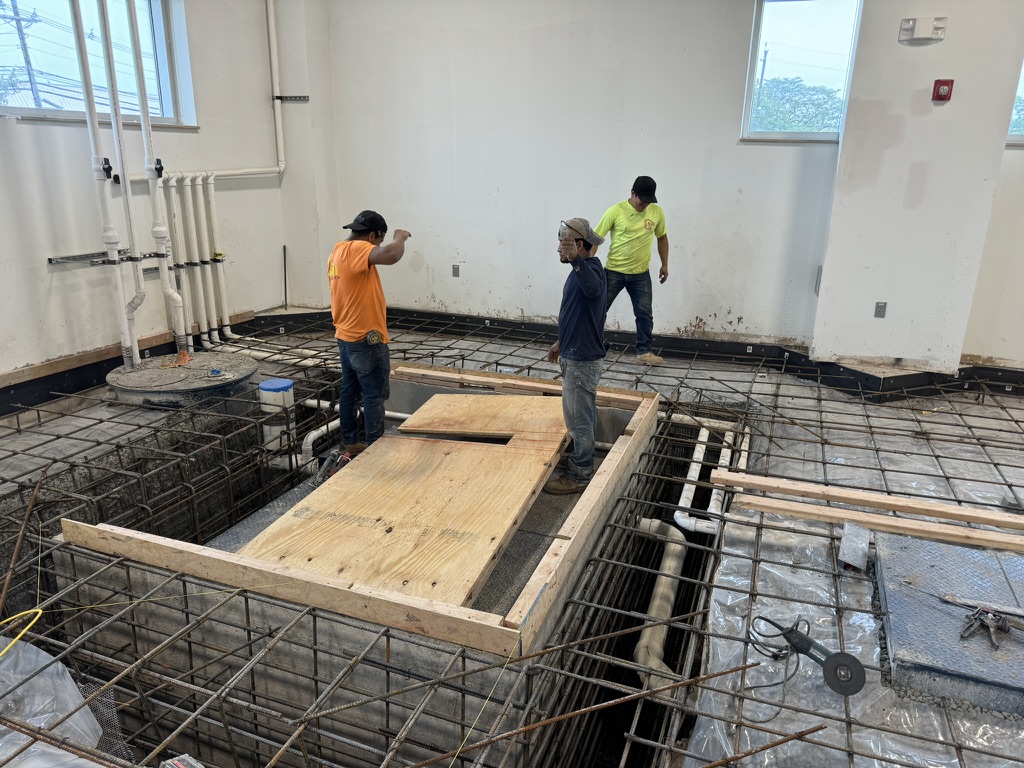
Heavy rain exposes every weakness in a basement. A wall crack that stays quiet in a dry summer can turn into a steady leak during a week of storms. A gutter that seemed merely inconvenient can send hundreds of gallons of roof runoff straight to the foundation. In regions where the soil stays saturated for long stretches, water does not need a dramatic opening to get inside. It only needs pressure, time, and a path.
That is why effective Basement Waterproofing in wet climates rarely comes down to a single product. Paint-on coatings, sealants, and one-off repairs have their place, but they do not solve the whole problem when the ground around a house remains soaked. The most reliable results come from treating the house as a system: roof drainage, grading, footing drains, sump capacity, wall protection, slab control, and humidity management all need to work together.
Homeowners often ask for the “best” method, singular. In practice, the best method is the right combination of exterior and interior defenses based on how water is reaching the basement. A house built into a slope behaves differently from one on a flat lot with heavy clay soil. A finished basement with occasional seepage needs a different strategy than an unfinished space that takes on several inches of water every spring. The work starts with diagnosis, not product selection.
What heavy rain actually does to a basement
Rainwater affects below-grade spaces in three main ways. The first is surface water. This is the visible runoff from roofs, driveways, patios, and sloped yards. It tends to enter at the top of the foundation, through window wells, around bulkhead doors, and at the joint where the wall meets the slab if the area outside is poorly graded.
The second is subsurface water, which is often the real troublemaker. Once soil around the home becomes saturated, water builds hydrostatic pressure against the foundation walls and beneath the slab. Concrete and masonry are strong in compression, but they are not waterproof by nature. Water can move through pores, weak joints, tie holes, shrinkage cracks, cold joints, and the cove joint where wall and floor meet.
The third is interior moisture. In humid regions, basements can feel wet even when liquid water is not visibly entering. Warm outdoor air meets cool basement surfaces and condenses. That creates musty smells, mold risk, and the false impression that all moisture is a waterproofing failure. Sometimes it is. Sometimes it is mainly a dehumidification and air sealing issue. More often, it is both.
Understanding which of these mechanisms is active matters because the https://beaunmtr817.northcrestbrief.com/posts/basement-waterproofing-for-rental-properties-a-landlord-s-guide remedy changes. If a basement leaks only during wind-driven storms, the weak point may be a window well or overflowing gutter. If water appears after three or four days of rain, the issue is often rising groundwater and inadequate perimeter drainage. If white mineral deposits keep returning on the walls, moisture is moving through the masonry even when no puddles are visible.
Start outside, because most water problems do
The most cost-effective waterproofing work usually happens before anyone breaks a slab or injects a crack. Many wet basements have one obvious exterior defect and two or three hidden ones. Fixing the obvious problem helps, but the hidden ones keep the basement in a marginal state.
Roof drainage deserves more respect than it gets. A typical roof can shed a surprising amount of water in a short time. One inch of rain on a 1,500 square foot roof produces roughly 900 gallons of runoff. If that volume is dumping next to the foundation because gutters are undersized, clogged, or missing extensions, the basement is being set up to fail. In heavy rain areas, downspouts should discharge well away from the house, often 6 to 10 feet at minimum, and farther if the lot is flat. Buried drain lines can work well, but only if they slope properly, stay clear, and discharge to daylight or an approved storm system.
Grading is the next piece. The ground should fall away from the foundation, not toward it. This sounds simple until you walk around older homes and see settled backfill, flower beds built too high against siding, and patios that now tilt toward the house. Even a gentle negative slope can funnel huge amounts of water to the wall during prolonged rain. Regrading with compacted soil, not loose mulch, often solves problems that homeowners have been chasing indoors for years.
Window wells also deserve attention, especially in areas with intense downpours. A basement window set below grade is an opening in a place where water naturally collects. If the well has no drain, or its drain ties into a clogged footing system, it becomes a bucket against the house. Clear covers can help if installed correctly, though they should not trap moisture or block emergency egress where code requires it.
I have seen homes where interior drain tile was installed at significant cost while the downspouts still emptied two feet from the wall. The basement became less bad, but not dry. That is the kind of half-fix that frustrates homeowners and gives waterproofing a poor reputation.
Exterior waterproofing is the gold standard when conditions allow
If the budget, access, and site conditions permit, exterior waterproofing offers the most direct protection against water intrusion. It addresses water before it enters the foundation wall or reaches the basement floor. This is especially valuable in heavy rain regions with high water tables, expansive clay, or repeated hydrostatic pressure.
True exterior waterproofing is more than brushing on a coating. The foundation is excavated to the footing, the wall is cleaned and repaired, a waterproof membrane is applied, drainage board may be added to protect the membrane and channel water downward, and a footing drain is installed or replaced in washed stone with proper filter fabric. The backfill material matters too. If the contractor simply shoves the same dense clay back into the trench, performance suffers.
A common mistake is confusing dampproofing with waterproofing. Many homes leave the builder with a basic asphaltic spray on the outside wall. That may meet minimum code in some areas, but it is not enough for a house that faces regular saturation. Dampproofing slows moisture migration. Waterproofing is designed to resist liquid water under pressure.
Exterior work is disruptive and expensive, no question. Excavation around decks, porches, mature landscaping, and tight lot lines can complicate the job. But when a foundation wall is heavily compromised by outside water, exterior repair often gives the most durable result. It also protects the structure itself, not just the basement interior.
This method becomes particularly compelling in a few cases. One is when a wall has multiple leaks along its height, suggesting broad moisture penetration rather than a single crack. Another is when a finished basement has repeated damage and the owner wants to reduce risk at the source. A third is when the home already needs foundation access for structural repair, which makes it efficient to combine work.
Interior drainage systems work well, but know what they do
In many heavy rain areas, interior drainage is the practical answer, especially when excavation is difficult or cost-prohibitive. This system usually involves cutting a channel along the inside perimeter of the basement floor, placing drain pipe or a formed drainage track beside the footing, covering it with stone and concrete, and directing collected water to a sump pump.
When properly designed, an interior system does not stop water from reaching the foundation. Instead, it relieves pressure and captures water at the point where it would otherwise enter the basement. That distinction matters. For many homes, it is enough to keep the interior dry for years. But if the walls themselves are deteriorating from ongoing exterior saturation, an interior drain alone is not the whole answer.
The quality differences between systems are significant. Some contractors install a very shallow trench that intercepts only surface seepage. Others tie into the footing level and create a more dependable path for groundwater relief. The details at corners, columns, stair footings, and wall-floor joints determine whether the system handles real storms or just light moisture.
A good interior drainage setup almost always includes a vapor barrier or wall drainage membrane on the basement wall, tucked into the floor drain channel. This catches seepage moving through block or poured concrete and guides it downward. Without that component, the floor may stay dry while the lower wall remains damp, stained, or mold-prone behind finishes.
Homeowners sometimes resist interior systems because they feel backward, as if they are letting water in. That reaction is understandable. But in practical terms, these systems can perform very well in storm-heavy climates. In many existing homes, they are the least invasive way to manage hydrostatic pressure consistently.
The sump pump is not an accessory, it is the heart of the system
In a high-rainfall region, the sump pump deserves the same seriousness as a furnace or water heater. Too many basements fail because the drain system was acceptable, but the pump was undersized, poorly installed, or unprotected from power loss.
A sump pit should be sized to allow proper cycling, not so small that the pump starts every minute during storms. The pump itself should match the inflow conditions. A cheap unit might survive occasional seepage but burn out when asked to move large volumes over several hours. Cast iron pumps generally hold up better than lightweight plastic models. The discharge line should be large enough, protected from freezing where relevant, and directed far enough from the foundation that the water does not loop back into the same saturated soil.
Backup power is essential in areas where heavy rain often arrives with utility outages. Battery backup pumps are common and useful, though their runtime depends on battery health and water volume. Water-powered backup pumps can be effective where municipal water pressure is reliable and allowed by local code. For homes with a history of flooding, alarms and smart monitoring are worth adding. A sump failure at 2 a.m. During a thunderstorm is bad enough. Discovering it after a weekend away is much worse.
The best setups share a few traits:
- A primary pump sized for the actual inflow, not the cheapest shelf option.
- A backup pump with independent power or water supply.
- A discharge line with proper slope, freeze protection, and a reliable outlet point.
- A sealed or well-fitted lid to reduce humidity, odors, and radon entry where relevant.
- An alarm that warns before water reaches floor level.
This is one of those areas where a small upgrade in equipment often saves a large amount in damage later. I have seen finished basements protected by excellent perimeter drains still flood because a single old pump seized during the first major storm of the season.
Crack repair has value, but it is rarely the entire strategy
Wall cracks attract attention because they are visible and easy to blame. Some deserve that attention. Others are only part of a larger drainage issue. A vertical shrinkage crack in poured concrete can often be sealed effectively with polyurethane or epoxy injection, depending on whether the goal is to stop water or restore structural continuity. These repairs can be very successful when the crack is the true entry point.
The trouble starts when crack injection is sold as a cure-all. If hydrostatic pressure is high and water is pushing through multiple paths, sealing one crack often redirects the water to the next weakest spot. The homeowner gets a temporary victory, then a new leak six feet away. That does not mean the first repair failed. It means the system problem was never addressed.
Block foundations complicate things further. Water in masonry block walls can travel inside the cores and show up far from where it entered. Surface patching rarely solves that. Interior wall membranes and drainage channels are often more effective than trying to chase each damp spot individually.
Structural cracks need a different level of scrutiny. Horizontal cracks, stair-step cracking in masonry, wall bowing, or displacement are not basic waterproofing repairs. They may indicate soil pressure, settlement, or foundation movement that requires a structural assessment. Waterproofing and structural stabilization often overlap, but they are not interchangeable services.
Sealants and waterproof coatings, useful but limited
Homeowners naturally want a simple inside-the-basement fix. Waterproof coatings, masonry sealers, and floor paints promise exactly that. Used appropriately, they can help control vapor transmission, reduce minor dampness, and improve the feel of an unfinished basement. Used as the main defense against active water intrusion in a heavy rain area, they usually disappoint.
The reason is simple. A coating on the inside face of a wall is fighting water after it has already entered the masonry. If the wall is under enough pressure, the coating can blister, peel, or allow moisture to pass at joints and edges. Some products perform better than others, but none should be treated as a substitute for proper drainage.
That said, coatings do have a role. After exterior repairs or interior drain installation, a breathable masonry treatment may help reduce residual dampness. In utility basements where perfection is not the goal, it can be part of a layered approach. The key is to match expectations to the product. It is a supplementary measure, not the backbone of Basement Waterproofing in severe conditions.
Do not ignore the slab and the cove joint
One of the most common wet-basement complaints is water appearing at the edge of the floor, where the slab meets the wall. Homeowners often assume the wall is leaking. Sometimes it is. Often the water is rising beneath the slab and emerging at the cove joint, which is one of the natural relief points in a basement.
This pattern is common after extended rainfall when the water table temporarily rises. Even if the walls look mostly dry, the floor perimeter can take on water. Interior drain tile is particularly effective in this scenario because it intercepts water at footing level and relieves pressure under the slab.
Floor cracks matter too, especially in older basements without underslab vapor barriers. Hairline shrinkage cracks are not unusual, but active seepage through slab cracks points to groundwater pressure that coatings and patch compounds will not control for long. If the basement is going to be finished, this issue should be solved before flooring goes down. Installing luxury vinyl over a chronically damp slab is a short path to odor and mold complaints.
Humidity control finishes the job
A dry basement is not just one without puddles. It is one that stays below mold-friendly humidity levels and dries quickly after normal seasonal swings. In many wet climates, even a well-waterproofed basement benefits from dedicated dehumidification. Relative humidity below about 50 to 55 percent is a common target, though the exact number depends on use, season, and the materials in the space.
Finishing choices matter here. Organic materials placed directly against foundation walls are vulnerable. Standard fiberglass batts in contact with damp masonry, paper-faced drywall installed without a thermal break, and carpet over marginal slabs are all familiar failure points. Better basement assemblies use materials that tolerate occasional moisture and allow drying. Rigid foam, closed-cell spray foam in appropriate applications, pressure-treated bottom plates where required, and moisture-resistant wall systems generally perform better than conventional above-grade details copied into a below-grade space.
Ventilation can help, but opening windows in a humid summer often makes the basement wetter, not drier. That is counterintuitive for some homeowners. The air feels fresh, but warm moist air entering a cool basement can condense quickly. Mechanical dehumidification is usually more reliable.
Matching the method to the house
No two basements leak for exactly the same reason. The most useful question is not “What is the best product?” but “Where is the water coming from, and under what conditions?” A basement that leaks only at one corner during cloudbursts may need exterior grading, a buried downspout correction, and a window well drain. A basement that seeps all around the perimeter after several days of rain may need an interior drain system with a serious sump setup. A chronically wet wall in a fully saturated hillside lot may justify exterior excavation and membrane waterproofing.
Here is a practical way to think about method selection:
| Condition | Method that often works best | | --- | --- | | Overflowing roof runoff, wet area near foundation after storms | Gutter upgrades, downspout extensions, regrading | | Water at wall-floor joint around much of basement perimeter | Interior drainage system and sump pump | | Multiple wall leaks, high exterior saturation, accessible foundation | Exterior excavation with membrane and footing drain | | Isolated poured-wall crack with otherwise dry basement | Injection repair, plus exterior water management check | | Damp air, musty smell, no obvious leaks | Dehumidification, air sealing, moisture-tolerant finishes |
This is why blanket advice can be expensive. The wrong method is not just ineffective, it can distract from the actual source for years.
What to ask before hiring a waterproofing contractor
A competent contractor should be able to explain the water path in plain language. If the explanation begins and ends with a product pitch, keep looking. Good basement waterproofing work depends on diagnosis, and diagnosis takes observation. The contractor should ask when the problem occurs, how long after rain it appears, whether the issue worsens in snowmelt season, whether power outages are common, and whether the basement is finished or planned to be.
It is also worth asking whether the recommended solution manages surface water, groundwater pressure, or both. Those are not the same challenge. Ask how the discharge will be routed, what happens if the power fails, whether permits are needed, and whether the crew handles crack repair, drainage, and wall treatment as one coordinated system or as disconnected upsells.
Warranties deserve careful reading. Some are strong. Some are mainly marketing language. A lifetime warranty tied to a company that changes names every few years is not the same as durable workmanship. And no warranty matters much if the design itself misses the problem.
Cost, disruption, and where homeowners overspend
Many people overspend on interior finishes before solving the water issue at its source. Others do the opposite and spend heavily on excavation when a runoff problem could have been corrected with far simpler exterior drainage work. The aim is not to buy the biggest system. It is to buy the right system.
Exterior waterproofing typically costs more because excavation, wall prep, membrane installation, drainage stone, and restoration add labor and equipment. Interior systems can be more affordable and highly effective, especially in existing homes. Crack repairs are cheaper still, but only if they are used in the right context. Dehumidifiers and coatings are relatively low-cost improvements, though they should not be mistaken for primary defenses in severe wet conditions.
The best value usually comes from sequencing work correctly. Start with runoff control and grading. Reassess after the next heavy rain cycle if the problem was mild. Move to perimeter drainage and sump upgrades when groundwater pressure is clearly involved. Reserve cosmetic restoration for last, once the basement has stayed dry through a real storm season.
A basement in a heavy rain area can absolutely be made dependable. It just requires the discipline to address water management as a system rather than chasing symptoms one spot at a time. When the roof, soil, drains, walls, slab, and pump all work together, even a house in a very wet climate can keep its lower level dry, usable, and far less stressful during storm season.
ARD Waterproofing
98 Smull Ave, West Caldwell, NJ 07006, United States
+1 917-691-8411
FAQ About Basement Waterproofing
Can you 100% Waterproof a Basement in West Caldwell?
A properly designed system can substantially reduce basement water intrusion, but no method can promise protection against every flood, equipment failure, or future change in site conditions. The first step is identifying whether moisture comes from surface runoff, groundwater, plumbing, or condensation. Solutions may include grading and gutter improvements, drainage, foundation repairs, and a sump system. Review the specific coverage and exclusions of any written warranty.
How much does it cost to professionally waterproof a basement in NJ?
There is no single price that fits every basement. Cost depends on the cause of the leak, the area needing work, access, excavation requirements, drainage design, sump equipment, and restoration of disturbed finishes or landscaping. Request an on-site assessment and an itemized written estimate that explains the scope, exclusions, and maintenance requirements before comparing proposals.
How long does foundation waterproofing last in West Caldwell, NJ?
Service life varies with the waterproofing materials, installation quality, soil and water conditions, and maintenance. Drainage components and pumps may require servicing or replacement even when other parts of the system remain functional. Keep gutters, drainage outlets, and sump equipment maintained, and have recurring leaks or changes in foundation condition assessed. Ask for product-specific expectations and written warranty terms rather than relying on one lifespan for the entire system.